several UK cities and councils have faced financial crises, leading to bankruptcy declarations or severe fiscal distress. Here's an overview of notable cases:
🏙️ Cities and Councils Facing Financial Collapse (2015–2025)
-
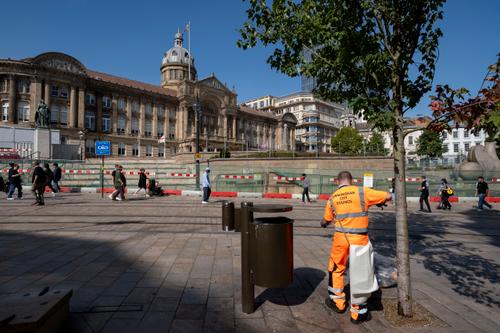
Birmingham City Council
-
When: Declared bankruptcy in September 2023.
-
Why: Accumulated a £760 million deficit due to unpaid equal pay claims, mismanaged investments, and a £100 million overspend on a management software project. Sky News+1
-
-
Thurrock Borough Council
-
When: Issued a Section 114 notice in December 2022, effectively declaring bankruptcy.
-
Why: Engaged in high-risk investments, including £655 million in solar energy projects, leading to significant financial losses. New Statesman+6The Constitution Society+6Wikipedia+6Wikipedia+1
-
-
Woking Borough Council
-
When: Declared bankruptcy in June 2023.
-
Why: Accumulated £2.4 billion in debt due to investments in commercial properties and loans to private entities. Wikipedia+1
-
-
Nottingham City Council
-
Croydon Borough Council
-
When: Declared bankruptcy in November 2020.
-
Why: Accumulated £1.5 billion in debt through risky investments and mismanagement.
-
-
Slough Borough Council
-
When: Declared bankruptcy in July 2021.
-
Why: Faced a £500 million deficit due to failed commercial investments and financial mismanagement. The Guardian+3Wikipedia+3Wikipedia+3
-
⚠️ Contributing Factors to Financial Distress
-
Austerity Measures: Reduced government funding over the past decade has strained local budgets. Le Monde.fr
-
Risky Investments: Engagement in high-risk commercial ventures without adequate oversight.The Times
-
Rising Demand for Services: Increased need for social care and other public services without corresponding funding.
-
Debt Accumulation: Excessive borrowing to fund projects, leading to unsustainable debt levels.
These cases highlight the financial vulnerabilities faced by local governments in the UK and underscore the importance of prudent fiscal management and oversight.